
Mindfulness Practices for Daily Calm
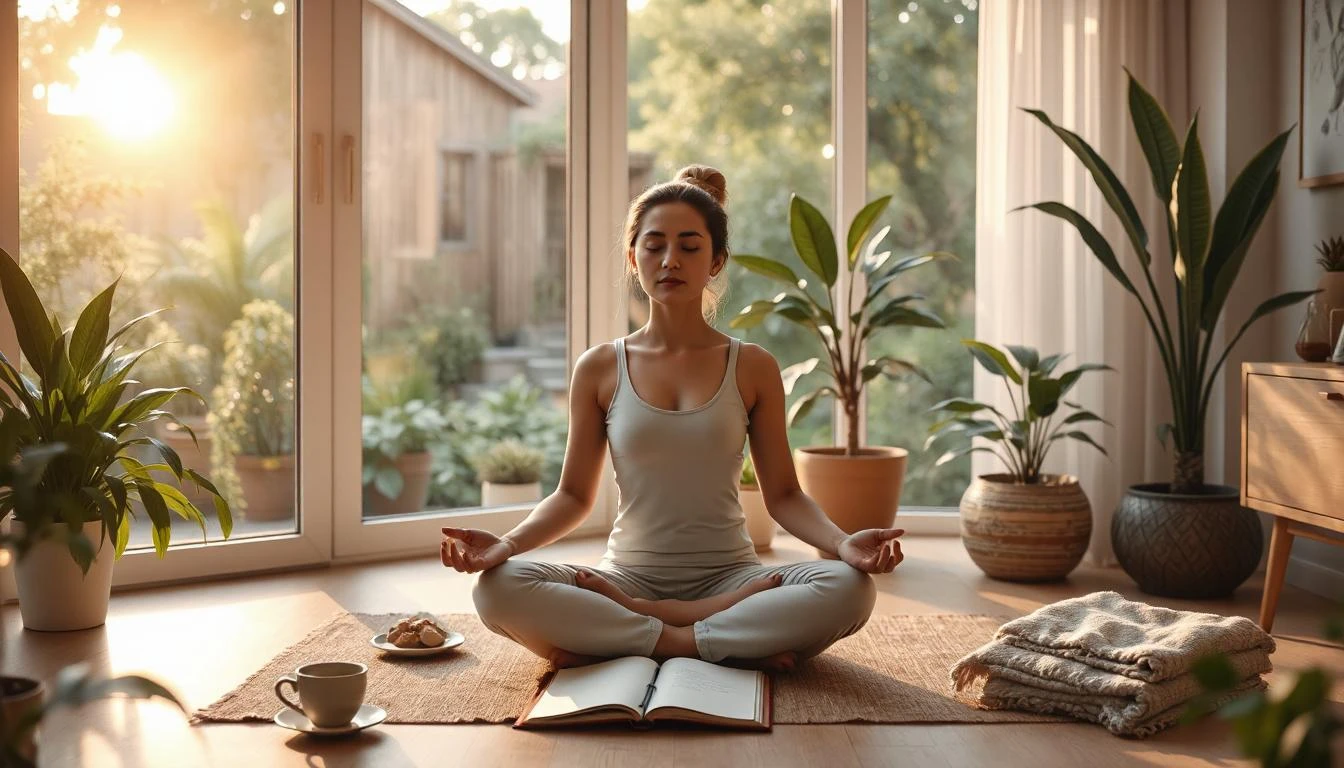
Modern life rarely slows down. Between endless notifications, demanding schedules, and the constant pressure to stay connected, many people find themselves mentally exhausted before the day is even halfway over. Have you ever noticed how easy it is to move through an entire day on autopilot without truly experiencing it? That growing sense of disconnection is exactly why mindfulness has become one of the most valuable practices for achieving a calmer and more balanced life.
The search for focus mind emotional clarity has become increasingly important in a world filled with distractions. More people are looking for practical ways to reduce mental clutter, improve decision-making, and create a stronger connection with the present moment. Mindfulness offers a simple yet powerful approach that helps transform everyday experiences into opportunities for greater awareness, emotional balance, and lasting inner peace.
Understanding Mindfulness and Inner Calm
Before exploring specific techniques, it is important to understand why mindfulness continues to gain attention among psychologists, wellness experts, and everyday individuals. Through consistent breathing meditation stress control practice, people can learn to slow down their thoughts, become more aware of their emotions, and respond to challenges with greater confidence rather than reacting impulsively.
What mindfulness means in daily life
Mindfulness is the practice of paying attention to the present moment with openness and curiosity. Rather than dwelling on past mistakes or worrying about future uncertainties, mindfulness encourages a deeper awareness of what is happening right now. This awareness can be applied during conversations, meals, work activities, or even while walking through a familiar environment.
In daily life, mindfulness is less about perfection and more about presence. It involves noticing thoughts without becoming trapped by them and observing emotions without immediately acting upon them. This subtle shift can significantly improve how people experience both ordinary moments and unexpected challenges.
Benefits of staying present and aware
When attention remains focused on the present, the mind becomes less vulnerable to unnecessary stress and mental overload. Staying present allows individuals to process information more effectively, communicate more clearly, and experience greater satisfaction in everyday activities.
Research consistently shows that mindful awareness can support concentration, emotional resilience, and overall psychological well-being. As people become more present, they often notice improvements in relationships, productivity, and their ability to handle pressure. These benefits contribute directly to stronger focus mind emotional clarity, making daily challenges feel more manageable.
How mindfulness improves emotional regulation
Emotional regulation is the ability to respond thoughtfully rather than react automatically. Mindfulness strengthens this skill by creating a brief space between an event and a reaction. Within that space, individuals gain the opportunity to choose a more constructive response.
This concept is reflected in the work of Jon Kabat-Zinn, a pioneer in mindfulness-based stress reduction, who explains that mindfulness means paying attention in a particular way: on purpose, in the present moment, and without judgment. When applied consistently, this approach helps individuals recognize emotional patterns before they become overwhelming, leading to healthier responses and greater emotional stability.
Simple Mindfulness Techniques for Beginners
Understanding mindfulness is valuable, but meaningful change occurs through action. Fortunately, several beginner-friendly methods can be integrated into daily routines without requiring significant time commitments. These simple practices demonstrate how small moments of awareness can create noticeable improvements in overall well-being.
Breathing exercises for instant calm
Conscious breathing is one of the fastest ways to activate the body's natural relaxation response. By directing attention toward each breath, the nervous system receives a signal that it is safe to slow down and release tension.
A simple breathing exercise involves inhaling slowly through the nose for four seconds, holding briefly, and exhaling gently for six seconds. Repeating this process for several minutes can help quiet mental noise and restore a sense of calm. Many people use this technique during stressful situations because it provides immediate support for stress control practice while improving concentration.
Body scan and relaxation techniques
The body often carries signs of stress before the mind fully recognizes them. A body scan encourages individuals to move their attention slowly through different areas of the body, observing sensations without judgment.
This technique increases awareness of physical tension while promoting relaxation. Over time, body scanning helps strengthen the connection between mental and physical well-being. It also encourages deeper self-awareness, making it easier to identify stress triggers and address them before they escalate.
Mindful walking and daily awareness practice
Mindfulness does not require sitting still. Walking can become a powerful mindfulness exercise when attention is directed toward movement, surroundings, and sensory experiences.
During a mindful walk, individuals can focus on the rhythm of their steps, the sensation of air against the skin, and the sounds present in the environment. Even a short walk can create a refreshing mental reset while reinforcing the habit of staying present throughout the day.
Making Mindfulness a Daily Habit
The true power of mindfulness emerges through consistency. While occasional practice can provide temporary benefits, integrating mindfulness into everyday life creates lasting positive changes. The goal is not to add another task to an already busy schedule but to bring greater awareness to activities that already exist.
Setting mindful moments throughout the day
Mindful moments can be incorporated into nearly any part of the day. A few conscious breaths before a meeting, a moment of gratitude before eating, or a brief pause between tasks can significantly improve awareness and reduce stress.
These small practices serve as reminders to return attention to the present moment. Over time, they become natural habits that support mental clarity and emotional balance without requiring major lifestyle changes.
Combining mindfulness with daily routines
One effective strategy is to connect mindfulness with existing routines. Brushing teeth, preparing coffee, commuting, or washing dishes can all become opportunities to practice awareness.
Instead of viewing mindfulness as a separate activity, integrating it into familiar habits makes consistency easier to maintain. This approach allows mindfulness to become a seamless part of daily life rather than another obligation competing for attention.
Building consistency through small steps
Many people abandon mindfulness because they expect immediate transformation. In reality, meaningful change develops gradually through small, repeated actions. Five minutes of daily mindfulness is often more effective than an hour-long session performed once a month.
Psychologist Dr. Ellen Langer, widely recognized for her work on mindfulness, has often emphasized that paying attention to new things keeps us engaged and alive to the present. This perspective highlights the importance of approaching mindfulness as an ongoing practice rather than a destination. Small steps taken consistently can create profound long-term results.
Bring More Calm Into Your Life Starting Today
The desire for a calmer mind is something many people share, yet few realize how accessible that calm can be. Mindfulness does not require special equipment, extensive training, or dramatic lifestyle changes. It begins with a simple decision to become more aware of the present moment and to approach daily experiences with greater intention.
As mindfulness becomes part of everyday life, the benefits often extend far beyond stress reduction. Greater self-awareness, stronger emotional resilience, improved relationships, and enhanced focus mind emotional clarity are just some of the changes that can emerge over time. The most remarkable aspect is that these transformations often begin with small moments that initially seem insignificant.
Perhaps the most important question is not whether mindfulness works, but whether you are willing to give yourself the opportunity to experience its benefits firsthand. A single mindful breath can become the beginning of a calmer, more balanced, and more meaningful way of living.
Take a moment today, slow down, and discover what happens when your attention fully meets the present moment.